Glaciers, Trains and an Epic 24 Hours: A teacher visit to remember!

A teacher site visit with a difference...

Every now and then a booking challenge turns into one of the best things we’ve done all year. This was one of those times!

Ali’s school enquired about joining us next year in what’s shaping up to be one of our busiest weeks of the season. We really wanted to make it work for them, and guess what? We did. With our Morzine activities already filling up for one of the days, we started wondering whether there was a way to turn that into an opportunity rather than a squeeze.

The answer was just over the (very big) hill: Chamonix.
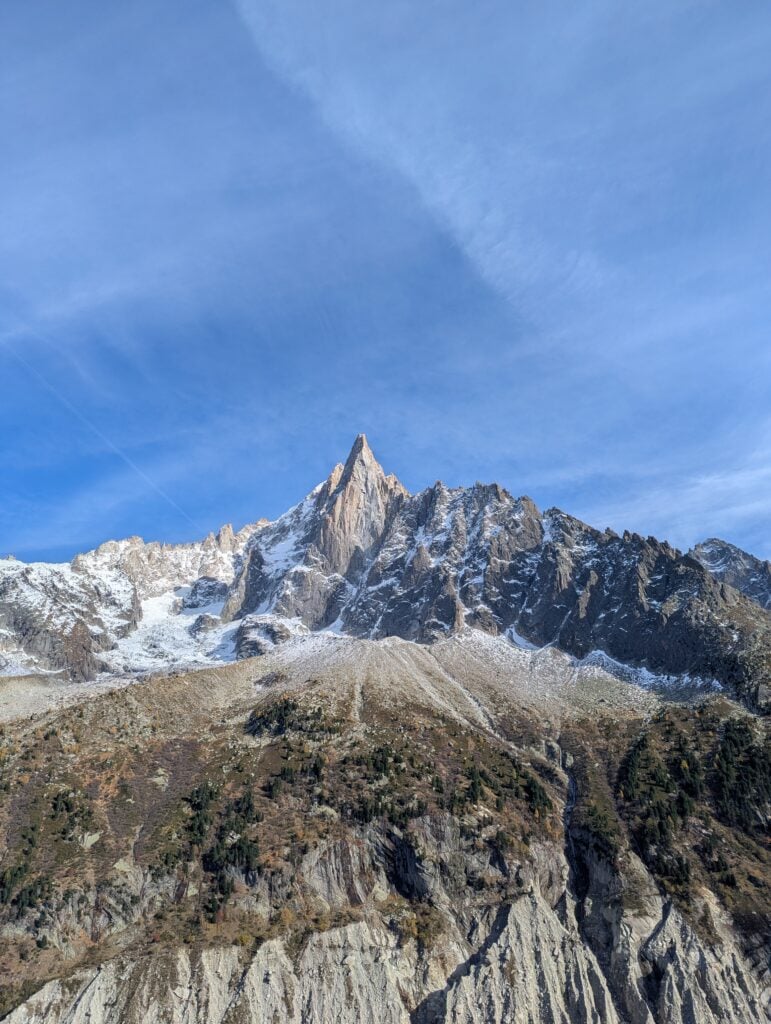
Why Chamonix?

Chamonix is about an hour and a half from Morzine, and it’s one of the most iconic mountain destinations in the world. It sits right at the foot of Mont Blanc, the highest peak in Western Europe, and it’s packed with mountain history, science and jaw-dropping scenery.

For a school group, it’s a brilliant change of pace in the middle of an active week. Instead of another activity session, the day becomes a chance to step back and really understand the mountains the students have been playing in all week.

So rather than just pitching the idea, we decided to go and test it properly – with a teacher.

The Recce

Teacher Ali flew out to meet us, and BV rep and Chamonix local, Gav, picked him up from the airport and drove him straight to Chamonix. I drove over from Morzine and met them there.

We took the Montenvers rack railway up from Chamonix town. It’s been running since 1909, climbing around 5km up the mountainside to a viewpoint at 1,913m that looks straight out over the Mer de Glace – the ‘Sea of Ice’.

The Mer de Glace is France’s largest glacier, around 12km long, flowing down from the Mont Blanc massif. It’s also one of the most studied glaciers in the world. Scientists have been recording it since the 1700s.

And that’s what makes it such a powerful place to bring young people.

Seeing climate change, up front and personal. 

At the Mer du Glace the changes are right there in front of you.

At the Montenvers station, the glacier has thinned by well over 100 metres since the early 1800s. Where visitors once stepped almost straight onto the ice, there’s now a long descent of stairs down the rock face, with more steps added as the ice keeps dropping. Signs along the way mark where the glacier surface used to be in different years – and seeing how far apart they are is genuinely striking.

The famous ice caves weren’t open during our visit, which was a reminder in itself of how fragile the site has become. But the real highlight was getting to speak with a glaciologist, who talked us through how the glacier is changing, what the scientists are measuring and what the future could look like. It’s exactly the kind of conversation we’d love students to have – real science, from someone who works on it, standing in the place it’s happening.

We’ll be honest: it’s a sobering place. But it’s also an amazing one. The scale of the mountains, the history of the railway and the chance to talk about the environment in a way that actually sticks make it a really special day out. For students who’ve spent the week climbing, hiking and exploring in Morzine, it ties everything together.

We then had a wander round Chamonix town, which is full of character and has a proper mountaineering buzz about it.

Back to Morzine

From Chamonix, Ali came back with us to Morzine for dinner, and the next morning we showed him around the rest of his school’s trip:

  • Morzine town – getting a feel for where the group will be based
  • The accommodation – seeing the rooms and spaces for himself
  • High ropes – one of the activities his students will be doing
  • Lac de Montriond – where the group will be kayaking.

Then it was back to the airport and home to London. An epic 24 hours!

Want to see the day for yourself? Watch our Instagram video here.

Why we think every teacher should do a visit

Honestly, teacher visits are one of our favourite things.

When you’re planning a residential, so much of it happens on paper – emails, itineraries, risk assessments, kit lists. A visit lets you see it all for real, and it makes a huge difference.

1. You get to talk logistics on site. Where does the coach drop off? How long is the walk from the accommodation to the activity? Where do we meet in the morning? These are so much easier to work out when you’re standing there, without 40 students to keep an eye on.

2. You can picture your group there. Seeing the rooms, the activity sites and the town helps you think about rooming, timings, which students might need extra support, and how the days will actually flow.

3. You go home with answers for parents. When parents ask what it’s like, you can tell them – and show them your own photos.

4. It helps us too. Teachers know their students far better than we do. Ali’s thoughts on the day were really valuable, and the conversations we had over dinner and on site will shape how we plan the trip for his group. A day like Chamonix only works if it fits the school, and the best way to get that right is together.

5. And it’s fun! It’s a great chance to get to know the team who’ll be looking after your group before the trip even starts.

Teacher visits are on us

If you’re booking a trip with BeVenturesome, your teacher visit is paid for. We’d genuinely love to show you around, talk through the plan and hear your ideas.

Thinking about a residential in the Alps, or curious whether a Chamonix day could work for your group? Get in touch – we’d love to chat.

A huge thanks to Ali for making the trip out, and to Gav for the Chamonix expertise!

Latest Blog Posts

Teacher Termly Newsletter

A teacher site visit with a difference...

Every now and then a booking challenge turns into one of the best things we’ve done all year. This was one of those times!

Ali’s school enquired about joining us next year in what’s shaping up to be one of our busiest weeks of the season. We really wanted to make it work for them, and guess what? We did. With our Morzine activities already filling up for one of the days, we started wondering whether there was a way to turn that into an opportunity rather than a squeeze.

The answer was just over the (very big) hill: Chamonix.

Why Chamonix?

Chamonix is about an hour and a half from Morzine, and it’s one of the most iconic mountain destinations in the world. It sits right at the foot of Mont Blanc, the highest peak in Western Europe, and it’s packed with mountain history, science and jaw-dropping scenery.

For a school group, it’s a brilliant change of pace in the middle of an active week. Instead of another activity session, the day becomes a chance to step back and really understand the mountains the students have been playing in all week.

So rather than just pitching the idea, we decided to go and test it properly – with a teacher.

The Recce

Teacher Ali flew out to meet us, and BV rep and Chamonix local, Gav, picked him up from the airport and drove him straight to Chamonix. I drove over from Morzine and met them there.

We took the Montenvers rack railway up from Chamonix town. It’s been running since 1909, climbing around 5km up the mountainside to a viewpoint at 1,913m that looks straight out over the Mer de Glace – the ‘Sea of Ice’.

The Mer de Glace is France’s largest glacier, around 12km long, flowing down from the Mont Blanc massif. It’s also one of the most studied glaciers in the world. Scientists have been recording it since the 1700s.

And that’s what makes it such a powerful place to bring young people.

Seeing climate change, up front and personal. 

At the Mer du Glace the changes are right there in front of you.

At the Montenvers station, the glacier has thinned by well over 100 metres since the early 1800s. Where visitors once stepped almost straight onto the ice, there’s now a long descent of stairs down the rock face, with more steps added as the ice keeps dropping. Signs along the way mark where the glacier surface used to be in different years – and seeing how far apart they are is genuinely striking.

The famous ice caves weren’t open during our visit, which was a reminder in itself of how fragile the site has become. But the real highlight was getting to speak with a glaciologist, who talked us through how the glacier is changing, what the scientists are measuring and what the future could look like. It’s exactly the kind of conversation we’d love students to have – real science, from someone who works on it, standing in the place it’s happening.

We’ll be honest: it’s a sobering place. But it’s also an amazing one. The scale of the mountains, the history of the railway and the chance to talk about the environment in a way that actually sticks make it a really special day out. For students who’ve spent the week climbing, hiking and exploring in Morzine, it ties everything together.

We then had a wander round Chamonix town, which is full of character and has a proper mountaineering buzz about it.

Back to Morzine

From Chamonix, Ali came back with us to Morzine for dinner, and the next morning we showed him around the rest of his school’s trip:

  • Morzine town – getting a feel for where the group will be based
  • The accommodation – seeing the rooms and spaces for himself
  • High ropes – one of the activities his students will be doing
  • Lac de Montriond – where the group will be kayaking.

Then it was back to the airport and home to London. An epic 24 hours!

Want to see the day for yourself? Watch our Instagram video here.

Why we think every teacher should do a visit

Honestly, teacher visits are one of our favourite things.

When you’re planning a residential, so much of it happens on paper – emails, itineraries, risk assessments, kit lists. A visit lets you see it all for real, and it makes a huge difference.

1. You get to talk logistics on site. Where does the coach drop off? How long is the walk from the accommodation to the activity? Where do we meet in the morning? These are so much easier to work out when you’re standing there, without 40 students to keep an eye on.

2. You can picture your group there. Seeing the rooms, the activity sites and the town helps you think about rooming, timings, which students might need extra support, and how the days will actually flow.

3. You go home with answers for parents. When parents ask what it’s like, you can tell them – and show them your own photos.

4. It helps us too. Teachers know their students far better than we do. Ali’s thoughts on the day were really valuable, and the conversations we had over dinner and on site will shape how we plan the trip for his group. A day like Chamonix only works if it fits the school, and the best way to get that right is together.

5. And it’s fun! It’s a great chance to get to know the team who’ll be looking after your group before the trip even starts.

Teacher visits are on us

If you’re booking a trip with BeVenturesome, your teacher visit is paid for. We’d genuinely love to show you around, talk through the plan and hear your ideas.

Thinking about a residential in the Alps, or curious whether a Chamonix day could work for your group? Get in touch – we’d love to chat.

A huge thanks to Ali for making the trip out, and to Gav for the Chamonix expertise!

Latest Blog Posts

Email Updates