The new Enrichment Framework: where school residentials fit in
In June, the Department for Education published its new enrichment framework for schools and colleges in England. It’s non-statutory guidance built around eight benchmarks that schools can use to review and strengthen their enrichment offer, with a self-assessment tool, case studies and a bank of resources alongside.
We’ve had a good read through it, and one thing jumped out straight away: a lot of it describes what happens on a good residential trip. So here’s a quick look at where adventure education fits in, how one week in the mountains can help with several benchmarks at once, and a new resource we’re developing to help schools get even more from it.
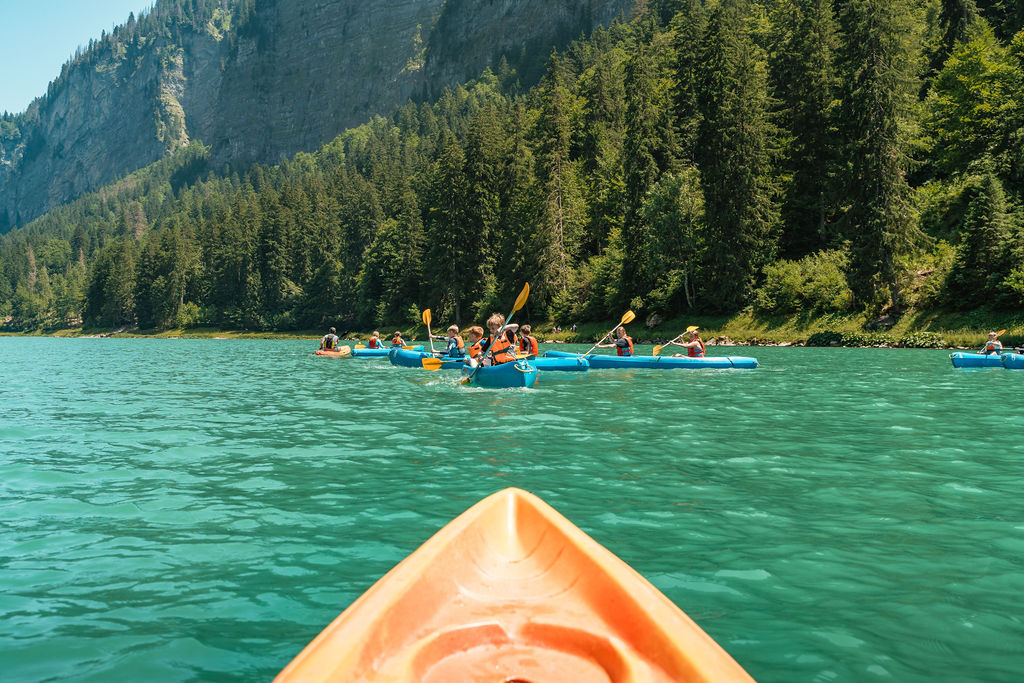
Adventure has its own category
The framework sets out five categories of enrichment that every pupil should have access to, as a minimum:
- civic engagement
- arts and culture
- nature, outdoors and adventure
- sport and physical activity
- wider life and future skills
Residentials and camps are named specifically under nature, outdoors and adventure. But a week in the Alps covers a lot more than one box. Hiking, climbing and kayaking are physical activities. Living away from home, looking after your own kit and being part of a group all build life skills. Spending a week in the mountains is a natural way into conversations about sustainability and how people live alongside the environment. And let’s not forget the obvious: visiting a different country is a brilliant way to learn about another culture.
Linking trips to school priorities
Benchmark 1 asks schools to tie their enrichment offer to their wider priorities, such as personal development, wellbeing, behaviour, attendance and careers.
Some of the case studies make that link for residentials directly. One primary school describes designing its residentials to build independence and courage. A medical alternative provision academy says its overnight residential helps pupils build confidence, resilience, independence and self-belief.
That’s what we see on our trips every week. Young people try things they didn’t think they could do, look after themselves away from home, and go back to school a bit taller than when they arrived.
Reflection and celebrating achievement
Benchmark 3 is about celebrating participation and achievement, and helping pupils reflect on what they’ve learned. This is something we really care about, and it’s built into how our trips run.
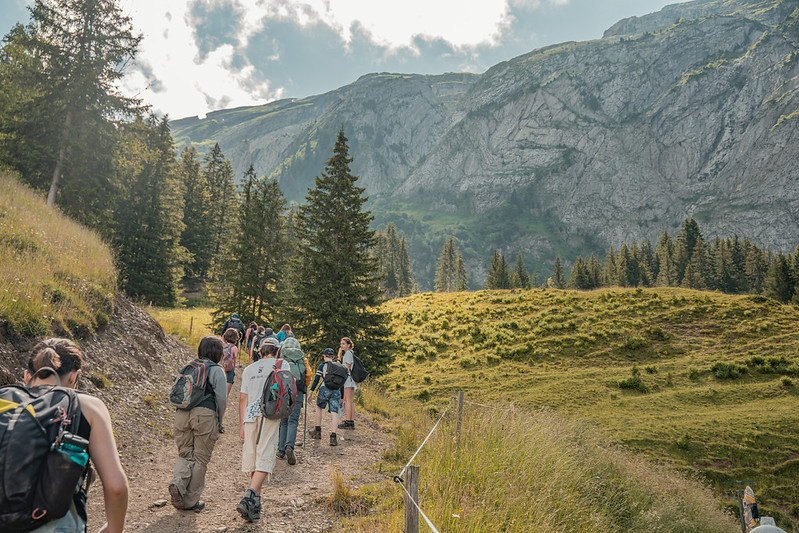
Our end-of-day briefings are where reflection really shines. But some of the best conversations happen in between: walking between activities, during downtime, on the hike day, or in our bushcraft sessions when we talk about mind hygiene. Our reps are always asking questions and getting young people talking about how they found things. We’re also always happy to run structured reflection sessions if a school would like them.
To help tie it all together, we’re developing a new Adventure Education Workbook. It’s designed to be used in the build-up to the trip and comes in two parts: a core handbook to help pupils prepare, and a companion workbook full of exercises and activities. As well as getting pupils trip-ready, it encourages them to reflect on the skills they already have, like resilience, teamwork and leadership, and think about how they can build on them in the mountains. It gives pupils a structured way to reflect, and gives schools something tangible to show for it.
Plenty of our activities push young people out of their comfort zone. When someone finally does the thing they were nervous about, we make sure it gets celebrated. We work with teachers to recognise it in a way that suits the group, whether that’s end-of-week awards or a special mention. It’s honestly one of the best parts of the job.
Working with the right partners
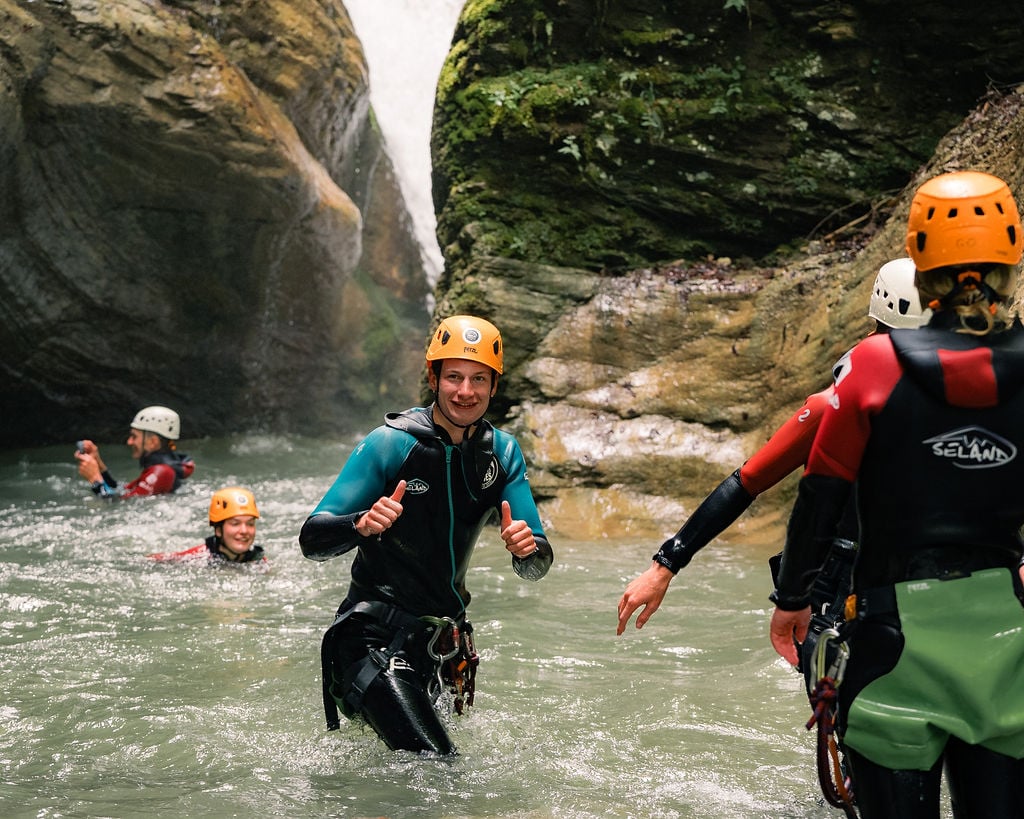
Benchmark 6 encourages schools to work with external partners, bringing in expertise and infrastructure beyond their own staff, including off-site and international trips.
The framework’s resources section also highlights the Learning Outside the Classroom (LOtC) Quality Badge. The badge means a provider has been independently assessed on both its risk management and the quality of its education. The guidance notes that many local authorities and academy trusts accept it in place of some or all of their own provider checks.
We hold the LOtC Quality Badge, so if you’re weighing up providers, that’s one less thing on your list.
Belonging, wellbeing and new friendships
Benchmark 7 asks schools to think about the outcomes they want from enrichment, including social and emotional development, wellbeing and a sense of belonging.
The framework links enrichment with teamwork, confidence, resilience, belonging, wellbeing and making friends. One study cited in the evidence summary published alongside it found that taking part in school-based activities helped young people build friendships with the others taking part.
This is the one we hear about most. Pupils regularly tell us our trips helped them get to know people outside their usual friendship groups, especially on mixed year group trips. Sharing a challenge, a dorm and a dinner table for a week does wonders for bringing a group together.
Wellbeing is a big focus for us too. We don’t just think about physical wellbeing so pupils are ready for the activities. We also talk about mental health and “mind hygiene”, which matters throughout the trip and well beyond it.
Resilience is a huge part of outdoor education, and of everything we do. Trying something new, finding it hard, sticking with it and coming out the other side is what our activities are built around. That feeling of “I didn’t think I could do that” is something young people take back to school with them, and the workbook gives them a place to capture it.
Where Gold DofE fits in
The Duke of Edinburgh’s Award comes up again and again in the framework’s case studies, from secondary schools to sixth form and specialist colleges. One sixth form college offers the Gold Award specifically to help students build resilience, independence and social responsibility.
Our Gold DofE Residentials take the friendship point above even further. Most participants arrive on their own, without knowing anyone. By the end of the week, they’re part of a group that’s taken on the mountains together, and they head home with new friends, new confidence and their Gold Residential complete.
If you’re a DofE coordinator looking for a residential provider you can confidently recommend, find out more about our Gold DofE Residentials.
Planning your enrichment offer?
If you’re working through the framework’s self-assessment tool this year, a residential is one of the simplest ways to support several benchmarks at once. It brings adventure, physical activity, life skills, reflection, celebration and friendships together in a single week.
We’d love to chat about how a trip to the Alps could fit into your school’s enrichment offer. And if you’d like a sneak peek at the Adventure Education Workbook, or have thoughts on what would make it genuinely useful in your school, we’d really love to hear from you.
Get in touch and we’ll help you work out what would suit your group best.


